Design thinking

There’s more opportunity in the marketplace than ever before. And the brands that differentiate themselves through human-centered innovation are perfectly positioned to cut through the noise and capture market leadership.

It sounds good in theory, but how do you bring that to fruition? The answer is design thinking. And we can help you.

At Codal, we help you put genuine human needs at the forefront. Whether you’re looking to develop a new solution, improve an existing one, or streamline internal processes, we ensure you achieve differentiation through empathy and validation.
Why this work matters now

We live in an experience economy which means, these days, meeting human needs is a non-negotiable. Design thinking isn’t just another methodology for developing solutions. It’s an iterative process that ensures value for your users.

By prioritizing empathy and putting users’ needs above all else, you can:

  • Enhance user satisfaction and loyalty
  • Increase innovation and creativity
  • Ensure better product-market fit
  • Adapt to market changes more quickly
  • Increase agility in the design and development process

Better yet, each one of these can translate directly into increased ROI.

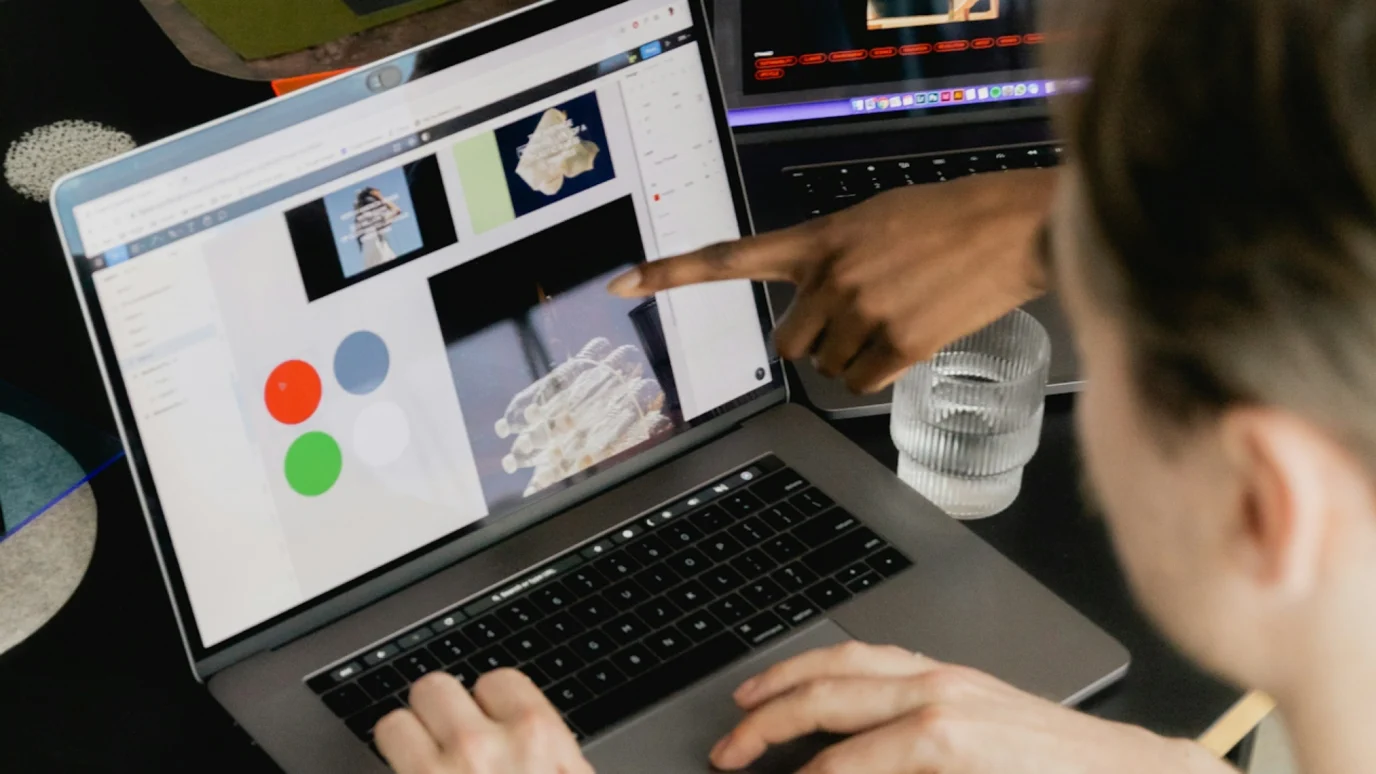
Two people collaborating on a digital design project on a laptop.

What happens when you don't have a solid design strategy

A lot can happen when you don’t prioritize the design thinking process. You could be:

  • Solving for the wrong problem
  • Causing users frustration while they’re trying to interact with your product
  • Wasting time and resources on an unproven concept
  • Pushing a product that lacks a unique selling point
  • Increasing risk and technical debt for potential reworks down the road
  • Driving users to think negatively about your brand

Skipping design thinking can be thought of like building a house without a proper blueprint. It may seem faster and easier in the short term, but almost certainly sets the stage for failure in the long run.

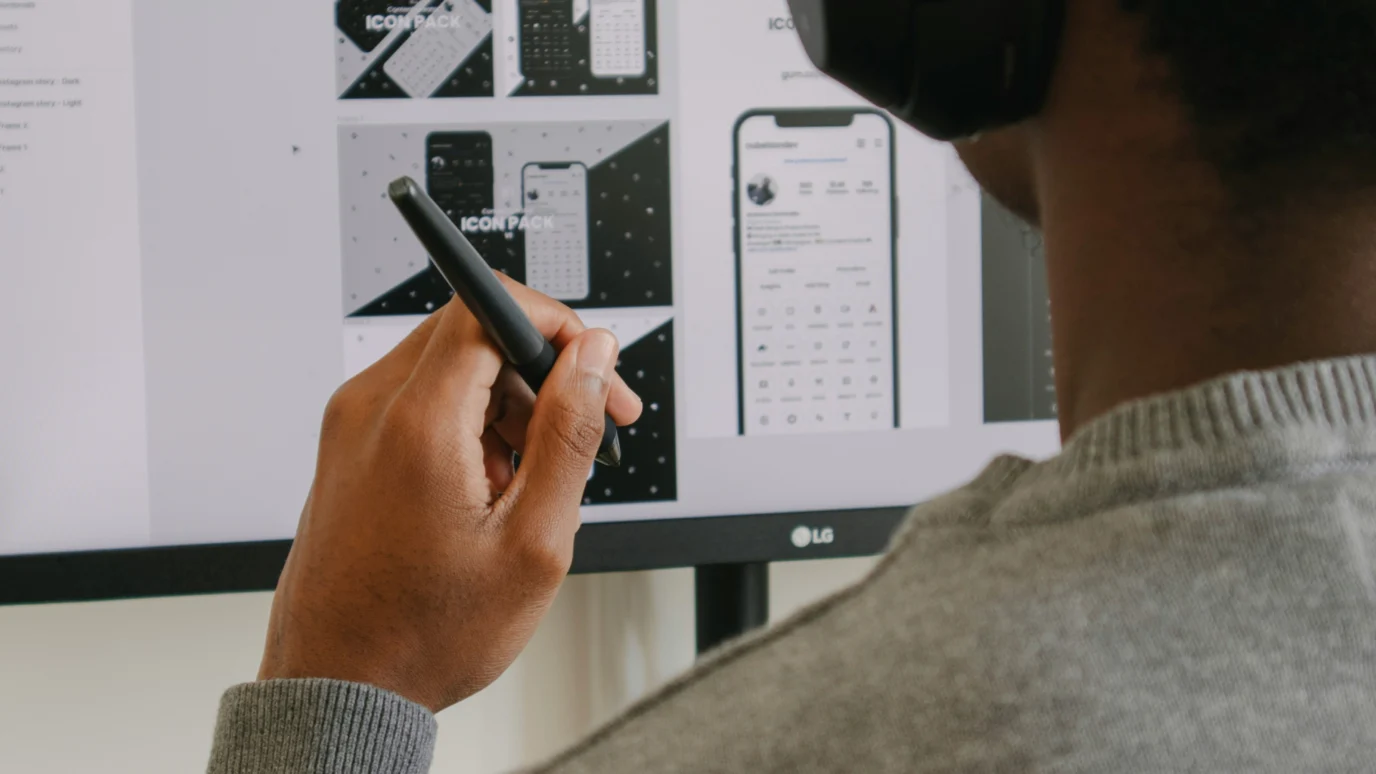
Designer holding a stylus, reviewing mobile UI designs on a computer monitor.

Codal’s perspective on design thinking

The core of design thinking is seemingly simple: If you truly understand your users, you can design solutions they’ll actually use. However, there are more pieces to the puzzle and we’re here to help you put them together.

Our end-to-end design thinking process blends research, strategy, and iterative execution so you can be confident your solution meets users’ needs.

Discovery & research

Discovery & research

This is the basis of design thinking strategy. And we leave no stone unturned. Through a variety of in-depth research methods, we uncover user needs, business goals, and opportunity areas. We ground our decisions in real-world insights for more nuanced and successful solutions. Because ensuring you’re solving the right problem is the only way to avoid wasting resources on concepts that we’re dead from the start.

Design thinking workshops

Design thinking workshops

Design thinking workshops offer a collaborative and creative approach to problem solving. We lead your team through various exercises to encourage empathy and understanding of your users and their challenges. By facilitating immersive experiences, we leave room for more effective and impactful solutions.

Persona & journey definition icon

Persona & journey definition

Not everything works for every user. And it’s not supposed to. We help you define the right target audience and their associated user journeys so you can better reach them where they’re at. By using research to map journeys, identify pain points and gaps, and prioritize opportunities for improvement, you can more effectively meet users’ needs. Because better experiences means higher engagement and increased conversions.

Rapid prototyping & validation icon

Rapid prototyping

Rapid prototyping validates your ideas quickly. If they’re correct, you’re free to move on with confidence. If not, you can change direction without significant consequences. Because mitigating risks early on helps avoid costly mistakes later down the road.

Measurement & continuous improvement strategies

Measurement & continuous improvement strategies

Without a definitive approach to measurement and improvement, even the most innovative solutions can fail to meet the desired results. Through UX KPIs, A/B and multivariate testing, iterative optimization sprints, and more, we continuously measure and validate your solution. Our goal is to make sure you’re always giving the user what they want, while still meeting your business goals.

How our process works

1

Empathize

We don’t just say we keep your users in mind. We mean it. Through qualitative interviews, quantitative surveys, or observational research, we actually walk a mile in their shoes so we can understand where they’re coming from.

2

Define

We take what we learned in the empathize stage to define user needs and clear problem statements. Here, we frame the experience challenge we’re looking to solve, setting the stage for the next step in our process.

3

Ideate

We lead brainstorming sessions to identify the best path forward. Through creative and critical thinking exercises, we help you come up with a range of potential solutions, without judgment.

4

Prototype & plan

We build low fidelity versions of ideas and then test them to gather feedback. Our early prototyping and rapid iteration stage provides opportunities to refine the experience before development begins, saving you time and money.

5

Execute

We run agile and efficient sprints to drive both design and development forward. We prioritize collaboration to ensure the final product actually solves your users’ problems and is aligned with your goals.

Why teams choose Codal

We put real human experiences at the center of everything we do. No gut feelings. No biases. Just real insight to solve real problems.

Our designers, strategists, and solution architects have decades of experience transforming design thinking principles into meaningful business solutions. We foster collaboration across our team and your stakeholders to find new opportunities, validate existing concepts, and optimize performance.

We’ve helped clients with strategic design thinking in a wide range of industries, including eCommerce, financial services, healthcare, manufacturing and distribution, and more, create human-centered solutions that actually meet their needs.

Two people discussing design work on a laptop, pointing at the screen.

Create solutions that actually meet users needs.

We help you transform user insights into a competitive advantage through data-backed design strategy. Our team is ready to bring your vision to life.